
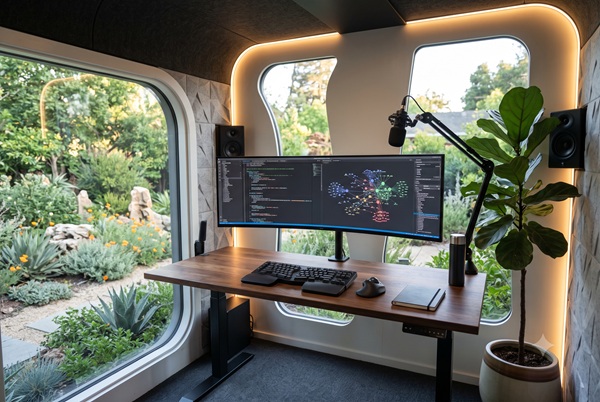
Setting Up A Good Workstation from Home
As global enterprises shift permanently toward a mature remote-first culture and aggressively scale through borderless talent acquisition, optimizing your home operational environment extends far beyond basic physical comfort. In 2026, modern decentralized hiring standards evaluate candidates on digital maturity, self-directed execution, zero-trust security readiness, and output-driven performance metrics. Whether operating as an autonomous node within a high-performing decentralized team or leveraging flexible scheduling across global time zones, building a resilient physical and virtual footprint is non-negotiable for delivering high-impact outcomes and executing seamless cross-border collaboration.
To excel under rigorous distributed evaluation models, your remote setup must combine robust digital infrastructure, dynamic physical ergonomics, and clear remote accountability structures. Here is how to engineer an enterprise-ready workspace aligned with 2026 global performance standards:
- Location & Environmental Control: Designate an isolated workspace optimized for acoustic clarity, visual professionalism, and uninterrupted focus. Supplement ambient lighting with calibrated key lighting and active noise-suppression environments for broadcast-quality asynchronous video updates and high-stakes live syncs. Physical privacy protects cognitive bandwidth for deep work while ensuring sensitive enterprise IP remains secure within distributed cloud environments.
- Digital Ergonomics & Dynamic Workstations: Physical stamina directly powers daily creative and operational output in a flexible scheduling framework. Invest in dynamic hardware designed for sustained productivity, such as a dual-motor standing desk and a multi-point adjustable ergonomic chair. Alternating posture during high-intensity work blocks optimizes energy management, while proper screen alignment—top third of the display at eye level, 20 to 30 inches away—prevents cognitive fatigue and physical strain.
- Enterprise Digital Infrastructure & Security: Modern distributed operations require high-availability tech stacks anchored in Zero-Trust Network Access (ZTNA). Upgrade to ultra-high-speed fiber or Wi-Fi 6E/7 networks, paired with automatic cellular failover systems to eliminate operational downtime. Protect enterprise systems by deploying hardware security keys (FIDO2/WebAuthn), encrypted local storage, and isolated virtual networks compliant with global data governance protocols.
- Asynchronous Communication & Workflow Hardware: Top performers in decentralized markets excel through advanced asynchronous communication skills, documentation-first mindsets, and reduced reliance on real-time meetings. Equip your workstation with studio-quality audio-visual tools to craft clear video messages, architecture maps, and async briefs. Use multi-monitor or ultrawide screen configurations to manage context-switching effortlessly between central knowledge hubs, documentation repositories, and task boards.
- Physical Hygiene & Operational Security: Pair strict digital security with systematic physical workspace management to support transparent remote accountability structures. Keep your desk clear to minimize cognitive friction while keeping physical access tokens, sensitive documents, and hardware keys locked securely. A well-ordered physical workspace reflects strong operational discipline, proactive transparency, and self-governance when executing without direct on-site oversight within a remote-first culture.
Participating in the modern global economy offers unparalleled autonomy through flexible scheduling and location-agnostic career paths. By combining redundant digital infrastructure with hyper-efficient asynchronous communication skills and reliable remote accountability structures, distributed professionals eliminate operational friction, demonstrate enterprise readiness, and maintain a distinct competitive edge in today’s borderless talent ecosystem.
Featured Job of the Day
Entry Level Behavior Technician
ACES Riverside, CA
Entry Level Behavior TechnicianJoin ACES as a Behavior Technician! At ACES, we’re passionate about helping children with autism reach their full potential and we care just as much about supporting our team. We prioritize work/life balance, employee w…
Category: Miscellaneous
Learn More